

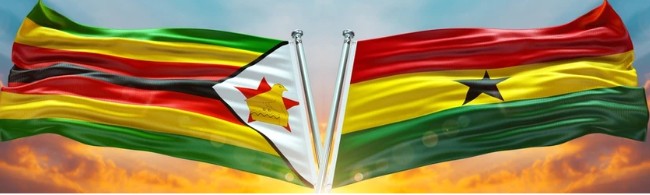
Zimbabwe and Ghana have maintained strong bilateral relations since their respective independences, rooted in shared struggles against colonialism, Pan-African solidarity, and cooperation in regional and international forums. Below is an overview of their historical and contemporary relations:
Pre-Independence and Early Relations
-
Anti-Colonial Solidarity:
-
Both Ghana (under Kwame Nkrumah) and Zimbabwe (then Rhodesia, under white minority rule) were engaged in anti-colonial struggles.
-
Ghana became the first sub-Saharan African country to gain independence in 1957 and supported liberation movements across Africa, including Zimbabwe’s ZANU and ZAPU.
-
Nkrumah provided moral, political, and material support to Zimbabwean nationalists fighting against British colonial rule and later Ian Smith’s white-minority regime (UDI in 1965).
-
-
Ghana’s Role in Zimbabwe’s Liberation:
-
Ghana hosted and trained Zimbabwean freedom fighters and was a vocal advocate for sanctions against the Rhodesian regime.
-
The Organization of African Unity (OAU), in which Ghana played a leading role, supported Zimbabwe’s liberation struggle.
-
Post-Independence Relations (1980s–1990s)
-
Zimbabwe’s Independence (1980):
-
After Zimbabwe gained independence in 1980, Ghana was among the first African nations to establish diplomatic ties.
-
Robert Mugabe’s government maintained close relations with Ghana, which was then under Jerry Rawlings (a fellow revolutionary leader).
-
-
Economic and Technical Cooperation:
-
Both countries collaborated in agriculture, education, and mining.
-
Zimbabwe’s agricultural expertise (from its large-scale commercial farming sector) was sometimes shared with Ghana.
-
Ghanaian professionals worked in Zimbabwe, and Zimbabwean experts (especially in education) were deployed to Ghana.
-
-
Regional and International Cooperation:
-
Both nations were active in the Non-Aligned Movement (NAM) and the OAU (later AU).
-
They supported the Southern African Development Community (SADC) and the Economic Community of West African States (ECOWAS) in promoting African integration.
-
Recent Relations (2010s–Present)
-
Diplomatic Engagement:
-
Both countries have maintained embassies in Harare and Accra.
-
High-level visits, such as Zimbabwean officials attending AU meetings in Ghana, have kept relations alive.
-
-
Trade and Investment:
-
Trade remains modest but has potential in mining, agriculture, and pharmaceuticals.
-
Ghanaian businesses have explored opportunities in Zimbabwe, especially after Zimbabwe’s economic reforms under Mnangagwa.
-
-
Multilateral Cooperation:
-
Both nations collaborate within the African Continental Free Trade Area (AfCFTA), headquartered in Ghana.
-
They share positions on climate change, UN reforms, and anti-imperialist rhetoric in global forums.
-
Cultural and People-to-People Ties
-
Educational exchanges (Ghanaian students in Zimbabwean universities and vice versa).
-
Shared Pan-Africanist values, with both nations celebrating figures like Kwame Nkrumah and Joshua Nkomo.
Zimbabwe-Ghana relations have historically been warm, grounded in liberation solidarity and Pan-Africanism. While economic ties have not reached full potential due to Zimbabwe’s challenges, diplomatic and cultural connections remain strong. Both countries continue to collaborate within African multilateral frameworks, ensuring ongoing partnership.